
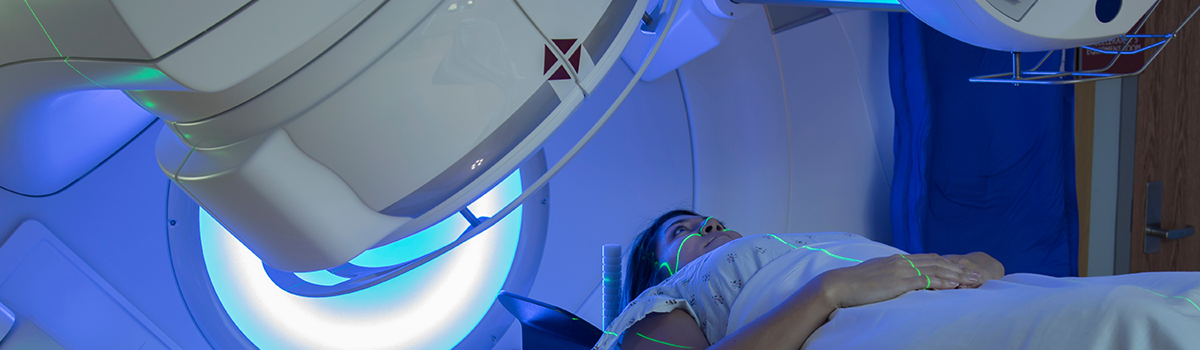
A defining strength of Image X is our ability to translate promising research into real-world solutions that benefit patients, clinicians and the healthcare system. Technologies developed by our team progress beyond proof-of-concept to clinical trials, commercial deployment, and have shaped standard clinical practice in Australia and internationally.
Our researchers collaborate with clinicians, consumers, and industry partners to ensure innovation is not only scientifically robust, but practical, relevant and ready for the clinic.

Logos shown represent selected collaborators and do not indicate endorsement.
Clinical trials play a central role in translating our research into practice. They allow us to evaluate new technologies and approaches in real clinical settings, generate high-quality evidence, and understand how our innovations can be safely integrated into existing workflows.
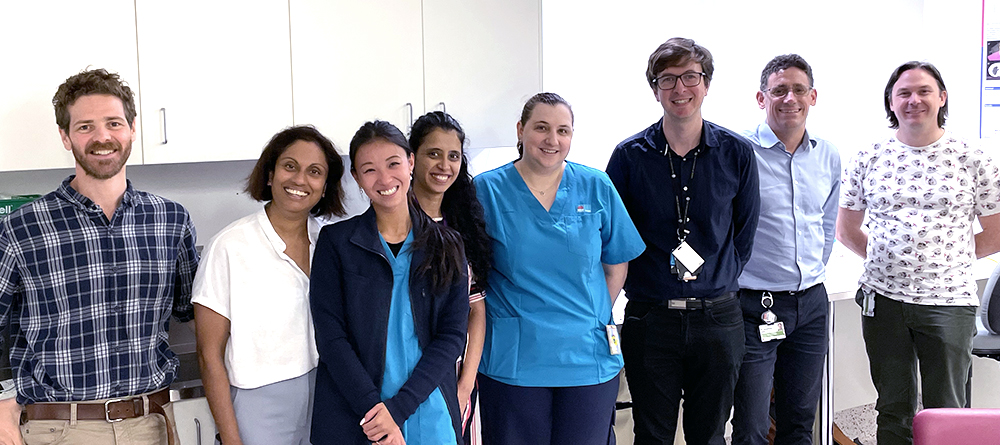
Our clinical trials are conducted across metropolitan and regional Australia as well as internationally, in collaboration with passionate healthcare organisations.
Learn more about our clinical trials here.
We’ve seen four spin-off companies emerge from institute research. This pathway provides a mechanism for focused development, regulatory readiness, and long-term delivery, particularly where ongoing product support and scale are required.
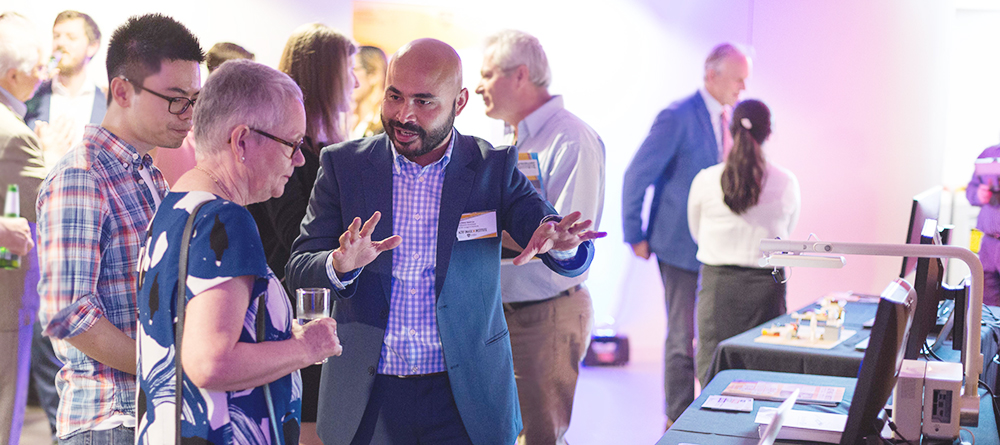
Supporting commercialisation also means investing in people. We actively support researchers to build capability in health-technology commercialisation, including participation in specialised training programs and courses. By combining technical excellence with commercial literacy, we enable researchers to translate innovation while maintaining alignment with clinical need, patient benefit, and public value.
To date, eight institute-developed technologies have been licensed to industry partners, enabling their progression beyond the research environment and into broader clinical and commercial use.
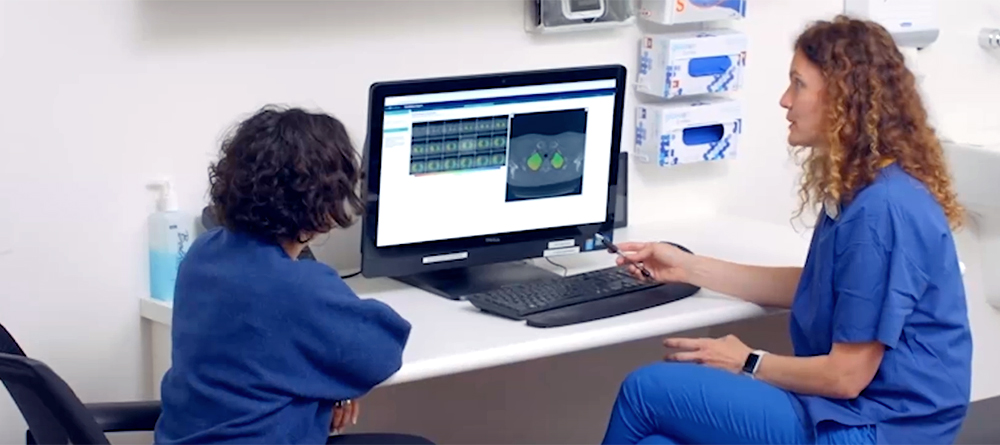
Licensing allows innovations to be scaled, maintained, and supported in ways that are not possible within a research setting alone. Our approach is selective and technology-led: licensing pathways are pursued where they best serve patient benefit, clinical adoption, and long-term sustainability. We work closely with partners to ensure technologies are transferred with the technical knowledge, evidence base, and clinical context required for responsible deployment.
Our researchers often remain engaged through ongoing collaboration with licensees, maintaining strong links between innovation, evidence generation, and real-world impact.
Partnership and collaboration underpin every stage of research translation. We work closely with public hospitals, private healthcare providers, industry partners, and research organisations in Australia and internationally.
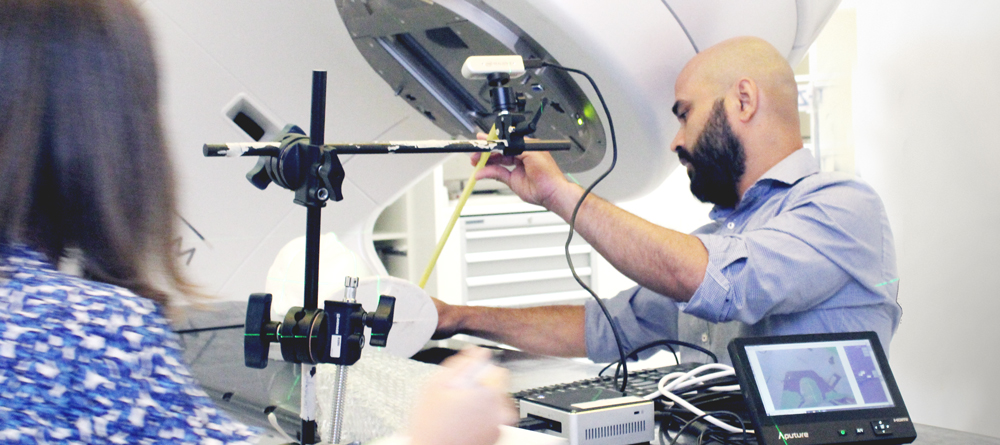
These collaborations ensure our research is grounded in real clinical need and informed by diverse perspectives, enabling innovation that is both technically robust and clinically relevant.
Our collaborations span the full research lifecycle. They contribute to early-stage concept development and experimental work, support clinical trials and evaluation in real-world settings, and play key roles in licensing, commercialisation, and broader adoption. By collaborating across disciplines, sectors, and geographies, we can tailor translation pathways to suit each technology.
Managing intellectual property is a critical step in preparing research for translation.
By embedding IP considerations early, we reduce barriers to translation while preserving academic integrity, collaboration, and public value.
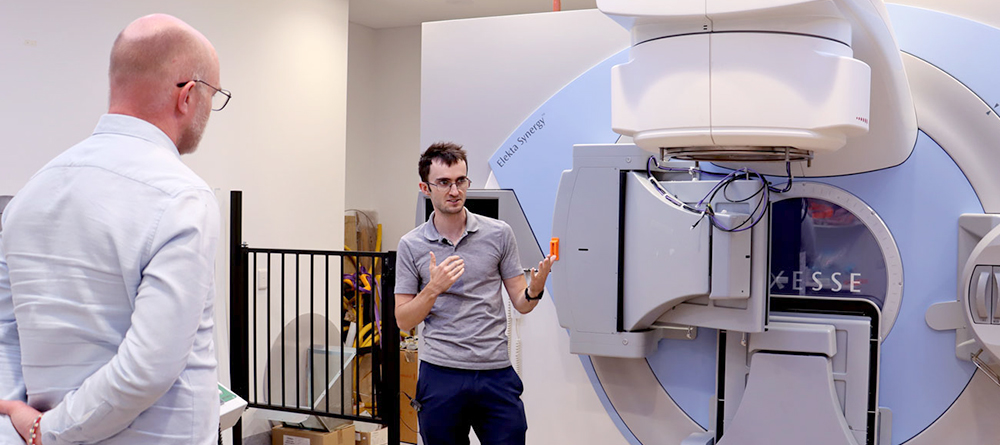
This ensures our technologies are ready to progress when opportunities emerge to move beyond the research environment.
In line with our commitment to transparency and good governance, information relating to intellectual property, licensing arrangements, and the founding or ownership of companies is publicly available on our website here.
Disclosures relating to intellectual property, licensing, and the founding or ownership of companies are publicly available here.