

MRI Technologies Lab
Led by Dr David Waddington, the lab’s projects span MRI-guided radiotherapy, low-field and portable MRI, and real-time speech imaging. The lab utilises MRI physics, artificial intelligence, and hardware development to move technologies from the lab into clinical use, working closely with hospital, industry, and international partners.
Interventional Imaging Research Projects
-
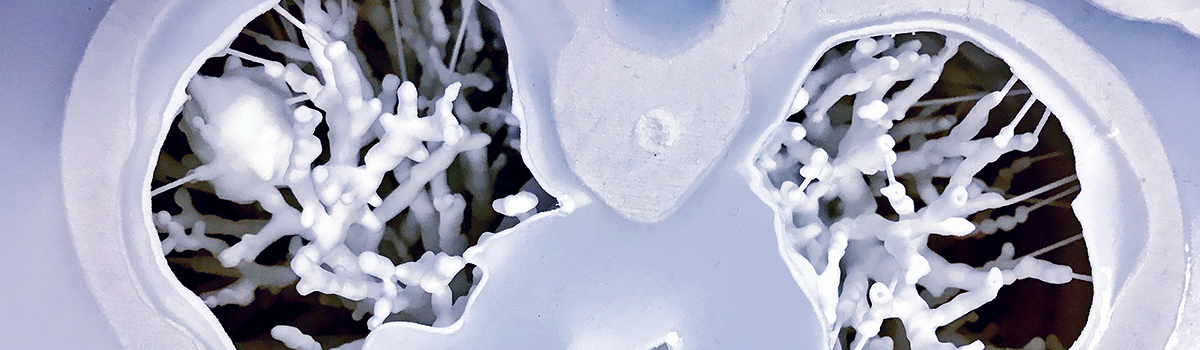
Bronchoscopy in the interventional suite
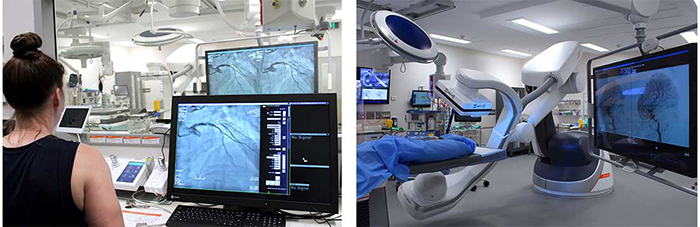
With the commencement of the National Lung Cancer Screening program the number ofdiagnostic biopsies is likely to increase. A new collaboration with Dr Tess Reynolds and DrNicholas Hindley with pulmonologists from Royal Prince Alfred Hospital and other Australianhospitals aims to extend the capabilities of CBCT platforms to improve diagnostic yield forCBCT-guided procedures. Innovations such as…
-
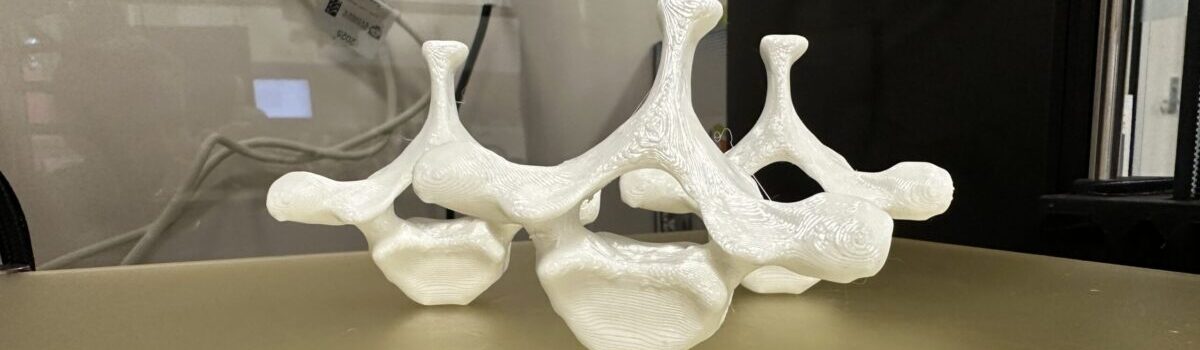
3D-printed surgical solutions.
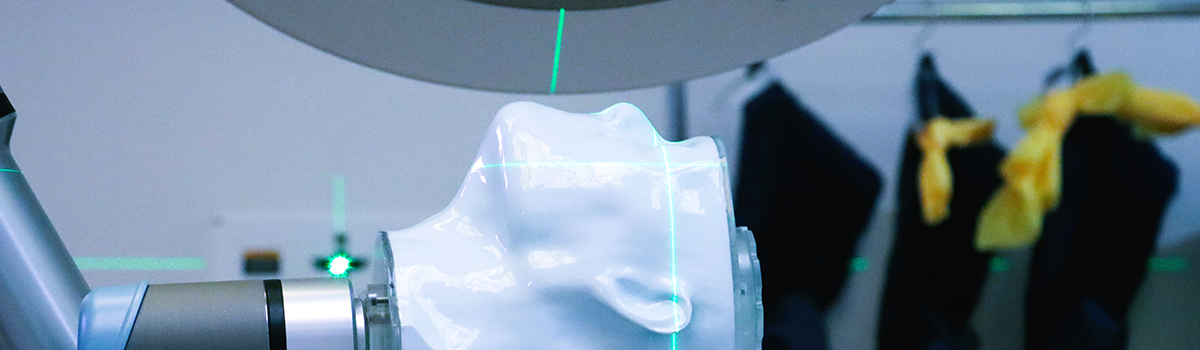
Surgical Guides Accurate drilling and cutting are fundamental to successful and efficient surgical procedures. 3D-printed surgical guides are increasingly being used clinically to complement surgeon experience, allowing pre-planning of drilling and cutting that takes into consideration individual anatomical characteristics. To date, 3D-printed surgical guides have been predominately developed from preoperative CT and MRI scans. Working…
-
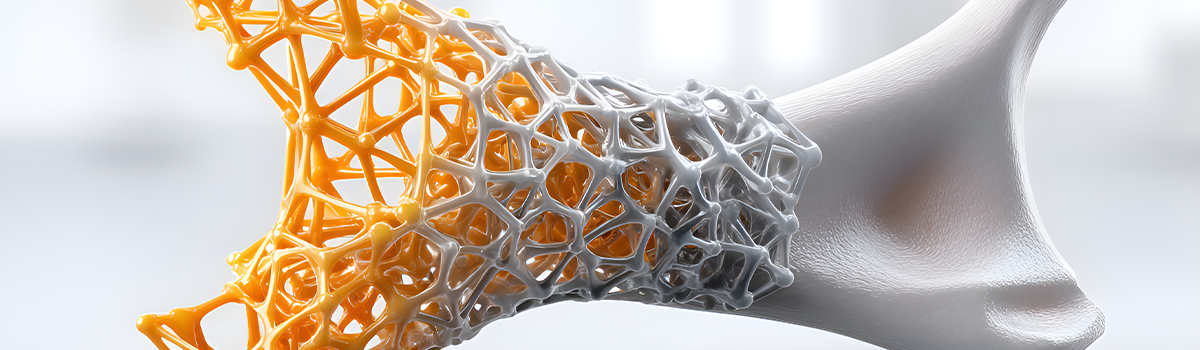
Extending the intraoperative field-of-view
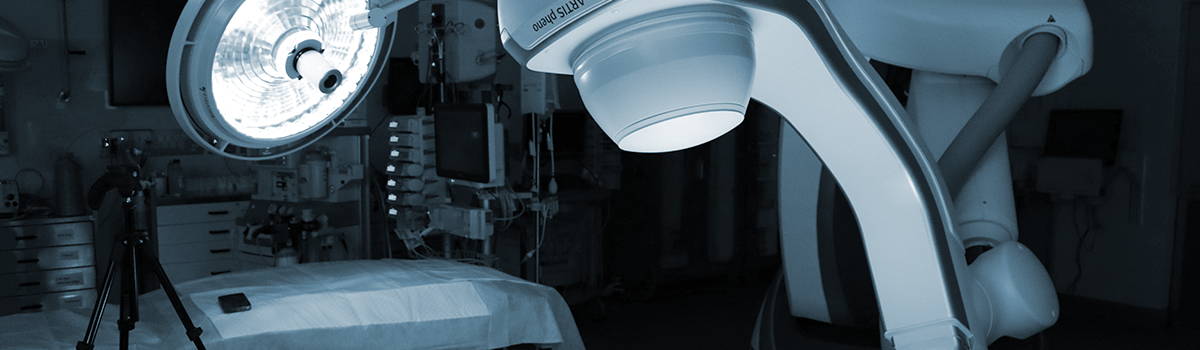
Image X Interventional Imaging is an international academic-industry-healthcare program led by Dr Tess Reynolds. It is dedicated to delivering innovative robotic imaging and novel 3D-printed solutions to aid in the diagnosis and treatment of disease spanning cardiology, neurology, oncology, radiology, and orthopaedics. Project highlights Extending the intraoperative field-of-view Intraoperative 3D Cone Beam CT (CBCT) imaging…
Medical Imaging Research Projects
Radiation Therapy Research Projects
-

Cardiac Radioablation Program
Reducing the impact of radiation on the heart for cancer and cardiac disease patients The Cardiac Radioablation program is funded by an NHMRC Synergy Grant. Background Ventricular tachycardia (VT) and atrial fibrillation (AT) are cardiac conditions that affect over 33.5 million people globally every year. Treatment typically involves invasive heart surgery to manually create scar…
-
AV Biofeedback
AV biofeedback is a simple, personalised and interactive respiratory guide designed to facilitate regular patient breathing. The AV biofeedback system is shown in figure 1. Figure 1. AV biofeedback system. Display screen and marker block on the abdomen shown. The visual display (centre) as seen by the subject (sans arrows) of the AV biofeedback system…
-
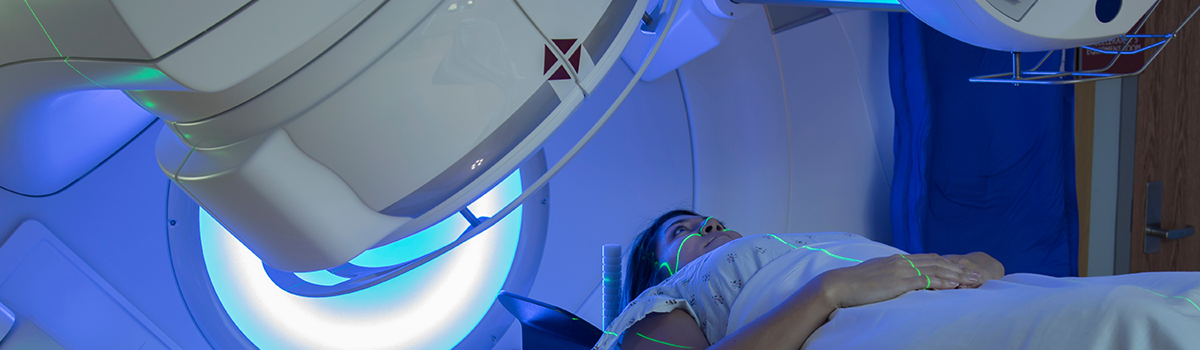
Kilovoltage Intrafraction Monitoring (KIM)
Real-time cancer targeting on a standard linear accelerator. The Problem Our solution How KIM works Intellectual Property Three granted US patents Research Opportunities For more information and enquiries contact Professor Paul Keall. [email protected]
-
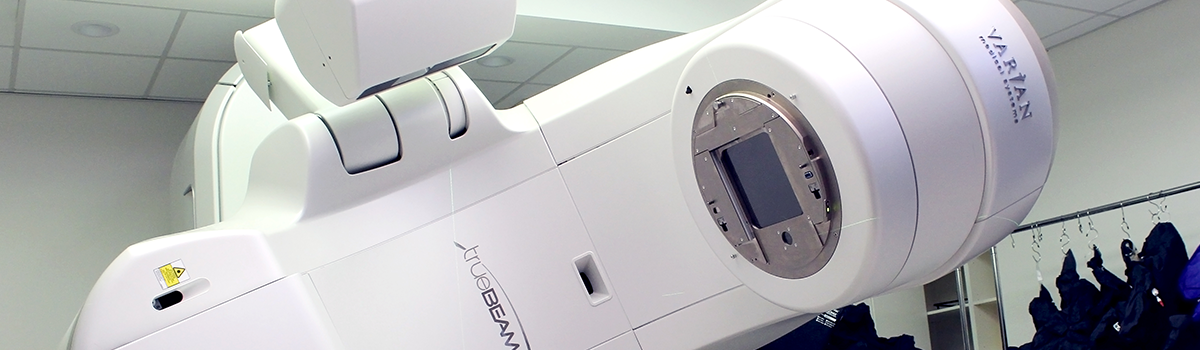
Beam Adaptation
Compatible with 95% of existing radiotherapy systems, Beam Adaptation is an affordable technology that has the potential to improve the outcomes for millions of cancer patients globally. Cancer Is a Moving Target. Even when a patient is lying perfectly still, there are dynamic processes happening inside the body. The heart is beating and the lungs…
-
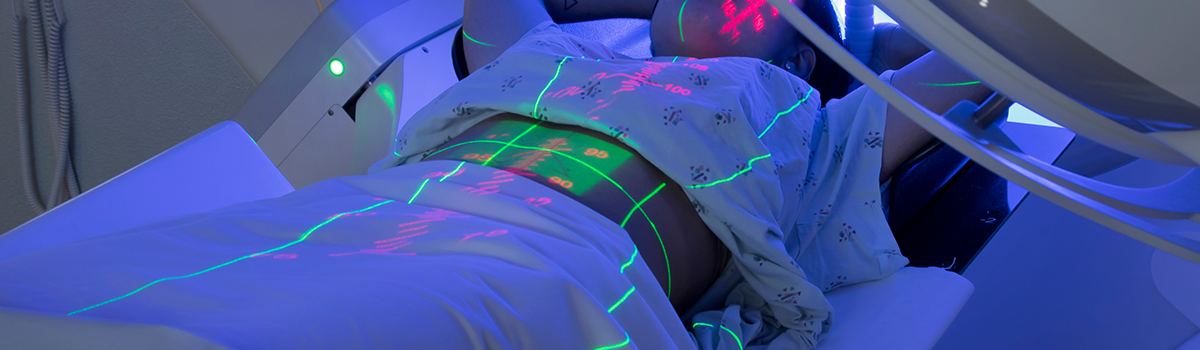
Markerless Tracking
The Problem Due to a patient’s breathing, lung tumours are constantly moving. Current radiotherapy treatments allow for this movement by treating with a large radiation beam, to try and ensure they cover the entire tumour. This means that healthy tissue often gets hit with radiation and can sometimes even miss the tumour. For lung cancer…
-
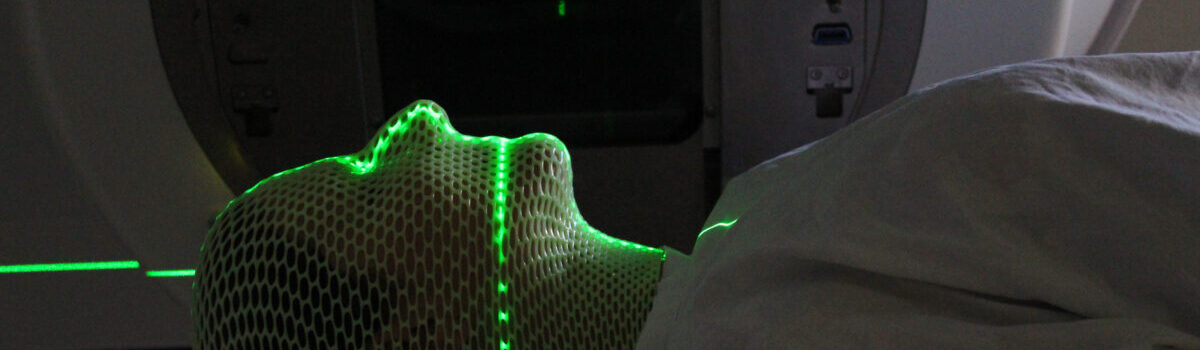
Remove the Mask
Reducing anxiety and distress for head and neck cancer patients. Remove the Mask is a patient-led project forged by Julie McCrossin OAM and Professor Paul Keall, to improve treatment for Head and Neck Cancer (HNC) patients. The project’s first steps were enabled by a successful public crowdfunding campaign in 2018. This funding provided Remove the…